

In international trade, customs rules are essential for a business engaged in the global commerce industry to seek out the best practices that will bring cost-efficiency and compliance during transactions.
But there’s a point of confusion that affects importers and exporters constantly: the difference between a customs broker and a customs agent. They’re not the same. One works for you. The other works for the government.
What Does a Customs Broker Do?
A licensed professional called a customs broker helps a business keep track of all the details of importing and exporting goods during international trade. More precisely, customs brokers are private individuals, partnerships, associations, or corporations licensed, regulated, and empowered by U.S. Customs and Border Protection (CBP) to assist importers and exporters in meeting Federal requirements governing imports and exports.
They submit necessary information and appropriate payments to CBP on behalf of their clients and charge them a fee for this service. There are approximately 14,454 active licensed Customs brokers in the United States.

Core Responsibilities
A customs broker’s role covers the entire clearance process:
- Customs Compliance: Ensuring shipments meet all legal and regulatory standards.
- Classification of Goods: Determining the correct tariff classification for customs declarations.
- Tariff Calculation: Accurately determining customs duties, taxes, and applicable fees.
- Documentation Management: Preparing and submitting proper documentation to customs authorities.
- Representation: Undertaking customs business on your behalf with CBP and other border agencies.
- Payment Processing: Ensuring duties and fees are paid correctly and on time.
Unlike a freight forwarder (who only handles transport), a customs broker determines the applicable duties, taxes, and fees and ensures goods are cleared through customs to their destination. This is a regulated, licensed function that requires expertise in entry procedures, admissibility requirements, and valuation.
What is a Customs Agent?
A National Custom Agent, also known as a Custom Agent, is in charge of watching over the goods as they cross a border, making sure they follow all the rules and regulations, checking the necessary paperwork, taxes, and fees, and stopping people from smuggling goods across.
In essence, a customs agent is the gatekeeper of international trade. This government employee is entrusted with ensuring that goods entering or leaving a country comply with established regulations and laws. They work for their country’s specific customs organization; in the U.S., that’s the U.S. Customs and Border Protection (CBP).
Key Responsibilities
- Port of Entry Operations: Working at various ports of entry for products entering a country from abroad.
- Document and Goods Inspection: Checking documentation and physical cargo to detect illegal activities, undocumented cargo, or prohibited goods.
- Clearance Processing: Handling paperwork to ensure goods can move forward through customs.
- Customs Control Assistance: Supporting the broader customs control apparatus.
- Reporting and Documentation: Preparing reports and witness statements for regulatory records.
In the process of importing and exporting, a customs broker helps both the buyer and the seller. The Custom Agent is working on behalf of the government as a law enforcement and keeping the international trades under check across the border. One is your advocate; the other is the regulatory enforcer.
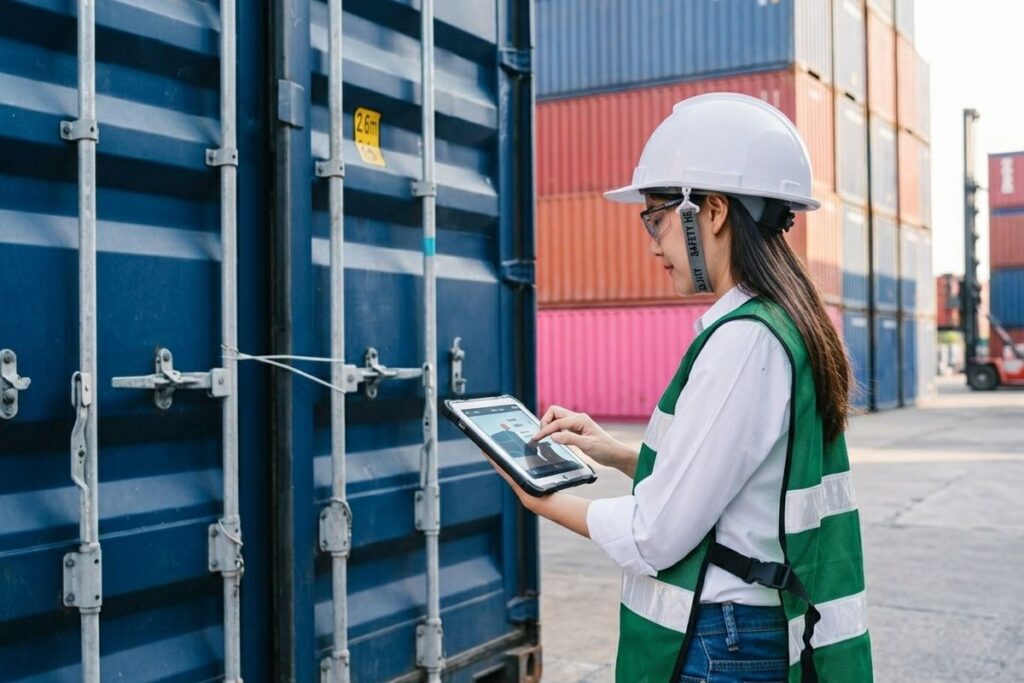
Why the Terms are Often Confused?
Although customs brokers and customs agents have fundamentally different roles, one private, one governmental, industry language often blurs the line. From an importer’s perspective, both roles involve helping goods cross borders.
When someone seeks a customs broker, they’re often using “agent” and “broker” interchangeably, even though they mean something different in official terminology. Understanding this gap between what people search for and what the terms actually mean is essential for positioning your services correctly.
The terminology confusion also means your content needs to address both interpretations:
- The legal/technical definition (for compliance-focused readers and those studying to become brokers).
- The practical/hiring definition (for businesses that need to hire someone to clear their shipments).
Why Do I Need a Customs Broker for My Business?
Cost Savings
A Custom broker will help your business save money by ensuring the accurate payment of duties and taxes, identifying potential duty exemptions and reductions, and preventing fines and penalties due to non-compliance.
Misclassifying a product can result in overpayment of tariffs. Missing an applicable trade agreement costs you immediately. Compliance errors trigger penalties that compound quickly. A licensed broker navigates these traps.
Compliance Assurance
A custom broker’s extensive knowledge of customs regulations will ensure that your business remains compliant. This is non-negotiable in international trade. Not following the rules can delay shipments, lead to audits, or even lead to cargo being taken away.
A broker ensures:
- All documentation meets CBP requirements.
- Your goods are classified correctly under the current tariff schedules.
- You’re leveraging applicable trade agreements (USMCA, for example).
- Your business stays audit-ready.
Efficiency
A custom broker will streamline the customs clearance process, reducing the time and resources required to get your goods through customs.
Every day a shipment sits at a port is a day you’re not selling. A broker with established relationships at ports of entry (like El Paso/Juárez, if you’re on the U.S.-Mexico border) knows how to navigate the queue, anticipate documentation issues, and move goods faster.
Peace of Mind
Hiring a customs broker provides you and your business with peace of mind because you will know that all customs-related matters are being handled by a professional, while you focus on other operations and logistics. Your broker is in charge of managing deadlines, changes to regulations, and handling exceptions.
Customized Consulting
A Custom broker can also offer customized consulting related to sources and methods of transportation, for example, that will bring valuable insights and advice to help your business make informed decisions about importing goods. Beyond clearing shipments, brokers advise on sourcing strategies, logistics optimization, and tariff planning.
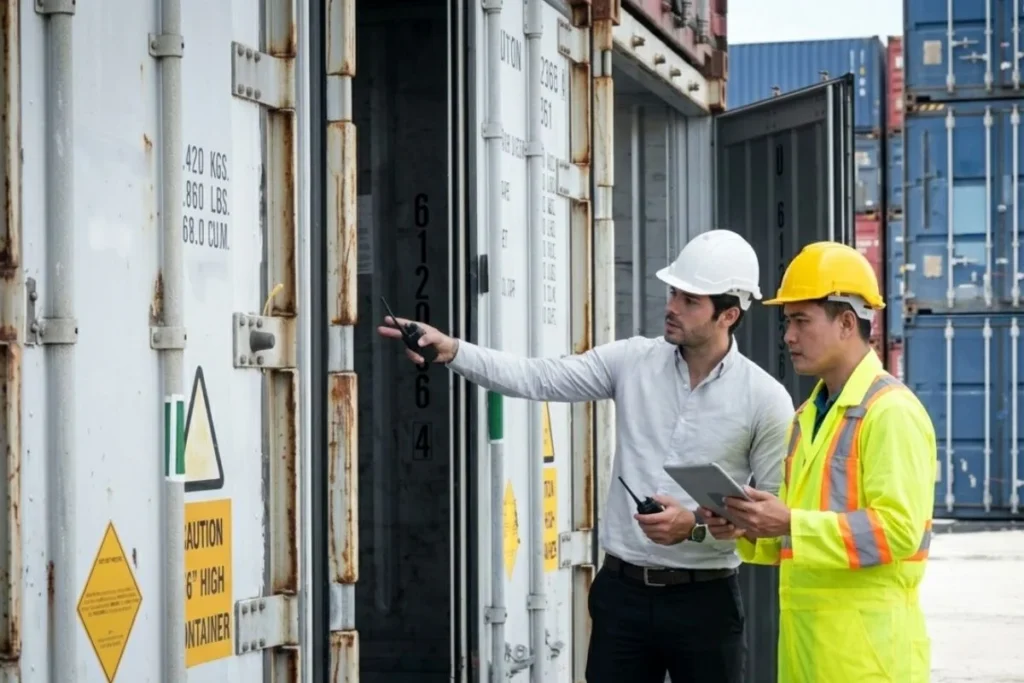
How to Find and Choose a Licensed Broker Near You
Not all brokers are equal. When hiring one, verify:
- Active License: Confirm they hold a current CBP license.
- Port Specialization: If you’re importing through El Paso, Laredo, or the U.S.-Mexico border, choose a broker with documented experience at those specific ports of entry.
- Industry Experience: Some brokers specialize in certain product categories (automotive, textiles, perishables). Match their expertise to your goods.
- Response Time: Customs clearance delays compound quickly. Test their communication before committing.
- Transparency on Fees: A reputable broker discloses their fee structure upfront. Hidden charges are a red flag.
Location and Border-Specific Considerations
If your supply chain crosses the U.S.-Mexico border, a broker based in El Paso will have established relationships with CBP officers at the ports of entry there. They understand the specific documentation quirks, peak processing times, and regulatory nuances of that corridor.
Similarly, if you’re importing via ocean freight through ports like Los Angeles or Houston, choose a broker with deep roots in those communities. Port relationships are real assets.
The Role of Technology
Modern brokers use digital systems to track shipments in real-time, file documentation electronically, and alert you to potential issues before they become problems. Ask about their systems and integration capabilities with your logistics platform.
When you need customs clearance, you need a licensed customs broker, someone regulated by the CBP, with expertise in tariff classification, documentation, and port operations. If you’re importing or exporting across borders, hiring a Custom Broker for international trade offers numerous benefits, from cost savings and compliance assurance to efficiency and peace of mind.
At EP Logistics, we are widely recognized for excelling in our custom broker services, guaranteeing the appropriate and fastest clearance of your goods in transit and streamlining the process for you. In addition to customs brokerage and clearance, we provide customs consulting services tailored to your supply chain.
Ready to streamline your customs clearance? Contact us and let EP Logistics handle your international trade transactions with efficiency and expertise.
