
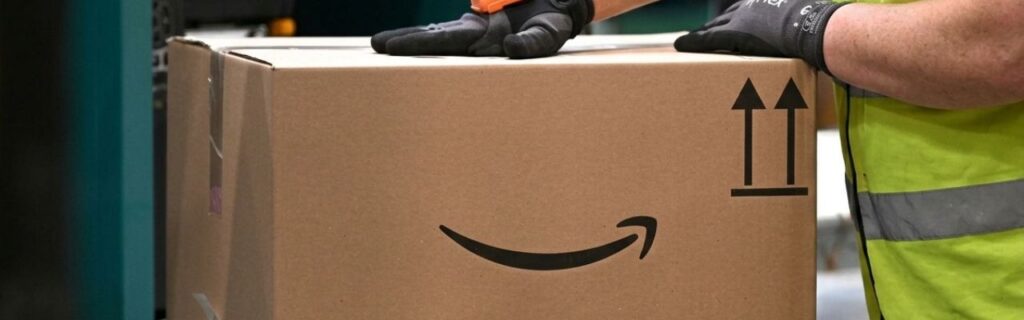
Amazon FBA prep is the process of preparing your products to meet Amazon’s strict warehouse requirements before shipping inventory to fulfillment centers. Proper preparation prevents costly rejection fees, storage delays, and inventory stranding that can cripple your seller account.
Starting January 1, 2026, Amazon will no longer offer prep and item labeling services for FBA shipments in the US store; making it critical that sellers master these requirements or partner with qualified prep centers to maintain compliance and avoid disruptions to their business.
Critical 2026 Policy Changes Affecting FBA Prep
Two major policy shifts are fundamentally changing how sellers must approach FBA prep this year.
1. The End of Amazon Prep Services (Effective Jan 1, 2026) Amazon has already discontinued all prep and item labeling services. You can no longer rely on their warehouses to apply FNSKU labels, polybag products, or perform compliance work.
While shipments created before the January 1st deadline remain eligible for Amazon’s prep, any new shipments created today must arrive at the fulfillment center fully compliant.
2. Universal FNSKU Requirement (Effective March 31, 2026) Starting at the end of this month, resellers not enrolled in Brand Registry must use Amazon FNSKU barcodes on all FBA inventory.
Even if your products already carry a manufacturer UPC, the FNSKU is now mandatory. This eliminates previous flexibilities, creating a universal labeling requirement for thousands of third-party sellers.
The Bottom Line for Your Margins: These changes shift the full burden of compliance directly onto your shoulders. Sellers who fail to adapt will face immediate rejection fees, stranded inventory, and account health issues.
This makes the choice between struggling with in-house prep or outsourcing to qualified ecommerce fulfillment services more critical than ever to protect your revenue.
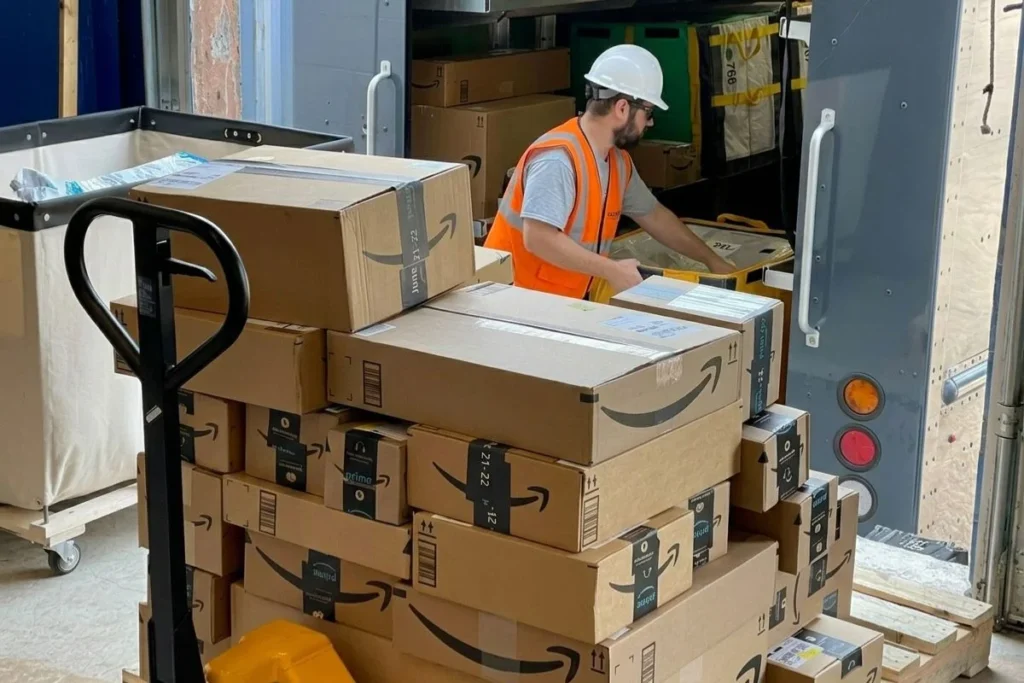
Prerequisites: What You Need Before Starting FBA Prep
Before starting the physical prep process, you must have a few critical elements in place:
- Active Seller Central Account: Along with a completed shipping plan routing your products to specific fulfillment centers.
- Generated FNSKU Codes: Ready to be printed for every product SKU in your shipment.
- Compliant Packaging Supplies: Including poly bags (1.5 mil minimum thickness), bubble wrap, packing tape, and shipping boxes that meet Amazon’s strict dimensional limits.
- High-Quality Printer: A thermal or laser printer capable of at least 300 DPI resolution to ensure barcodes scan perfectly upon arrival.
How Brand Registry Impacts Your Prep: Your brand registry status dictates a massive part of your prep workload. Enrolled sellers acting as the brand representative can still use manufacturer barcodes (UPC, EAN, ISBN), saving significant prep time and money.
However, remember the upcoming March 31, 2026 deadline. If you are not enrolled or you resell other brands, you must apply unique FNSKU labels to every single unit.
Data Accuracy and Budgeting. Finally, verify that your product dimensions and weights are 100% accurate in Seller Central. Even if your physical prep is perfect, data discrepancies will trigger costly compliance issues and stranded inventory.
Understanding your total fulfillment costs upfront is vital. It helps you budget accurately for materials, labor, and the specialized 3PL prep services needed to keep your cargo moving smoothly into Amazon’s network.
Step 1: Generate and Apply FNSKU Labels
How to Generate FNSKU Barcodes in Seller Central
1. Locate the Item: Log into Amazon Seller Central and navigate to “Manage Inventory.” Locate the product you need to prep and click the “Edit” dropdown.
2. Print Item Labels: Select “Print Item Labels.” Amazon will generate a PDF containing your product-specific FNSKU barcode labels. Each FNSKU (Fulfillment Network Stock Keeping Unit) is unique to your seller account and product.
This tracking code ensures Amazon keeps your inventory completely separate from other sellers offering the same item.
The system lets you print multiple labels per page (typically 24 or 30). Choose the size that works best for your products and printer setup.
3. Use the Right Printer: Download the PDF and print using a thermal or standard laser printer. Never use an inkjet printer. Inkjet prints can smudge or become unreadable in warehouse conditions, causing immediate scanning failures and rejection fees at the FC.
(Note: Brand Registry enrolled sellers acting as the Brand Representative may use manufacturer barcodes like UPC, EAN, or ISBN. But if you don’t own the brand, remember the new March 2026 rule: FNSKUs are mandatory.)
FNSKU Label Placement Requirements
Strict Quality and Formatting Rules Every FBA unit requires a highly scannable FNSKU label. To meet Amazon’s strict compliance standards, you must ensure:
- High Contrast: Minimum 80% contrast.
- Resolution & Format: Printed at 300 DPI minimum in Code 128 barcode format.
- Size: 1″ x 2″ standard (or 1″ x 3″ preferred).
- The “Quiet Zone”: Always leave a 1/8 inch blank white space surrounding the barcode to prevent scanning interference.
Where to Place the Label: Always place labels on the outside of the product packaging where they won’t be covered by tape or shipping materials.
If the product already has a visible manufacturer barcode, you must completely cover it. You can either place the new FNSKU label directly over it or apply a blank opaque sticker first. Amazon’s scanners must only read your FNSKU.
Handling Oddly Shaped Items: For products with curved surfaces, find the flattest available area. Never place labels over seams, folds, or edges that will compress during shipping.
If no flat surface exists, the safest prep method is to place the item in a polybag first, then apply the FNSKU label to the flat surface of the bag.
Step 2: Meet Product Packaging Requirements
Polybagging Standards and When They’re Required
Amazon strictly requires polybags for apparel, plush toys, items with small parts, or products that generate dust. To avoid receiving delays or rejection fees, your bags must meet these criteria:
- Thickness: At least 1.5 mil thick and completely transparent.
- Suffocation Warning: Mandatory for any bag with an opening of 5 inches or larger.
- Proper Seal: Bags must be completely sealed (heat or self-adhesive). Loose or partially open bags will be rejected.
- Fit: The bag must fit snugly. If it’s too loose, it can tear; if it’s too tight, it can distort the FNSKU label and cause scanning failures.
Bubble Wrap and Protective Packaging Rules
Fragile items (glass, ceramics, screens) and liquids require heavy-duty protection to survive fulfillment center handling.
- Full Coverage: Wrap items completely (not just the corners) with the bubbles facing inward.
- Label Placement: Never put the FNSKU directly on the uneven surface of bubble wrap. Place the wrapped item inside a box or polybag, then apply the label to that smooth outer surface.
- Strict Liquid Rules: Liquids must be double-sealed. Secure the original cap (using shrink bands), place the item in a completely sealed polybag, and mark the outside packaging with a “LIQUID” label.
Product Bundling and Multi-Pack Preparation
If you sell sets or multi-packs, they must arrive at the Amazon FC prepped so workers cannot accidentally separate them.
- Single Unit Integrity: Shrink-wrap or band all components tightly together. For oddly shaped items, place them inside a single rigid box.
- Required Warning Labels: You must clearly apply a “Sold as Set” or “Ready to Ship” label on the outside of the bundle.
- Barcode Blackout (Critical): Cover or remove all individual manufacturer barcodes on the items inside the bundle. The exterior FNSKU is the only barcode Amazon’s scanners should ever see.
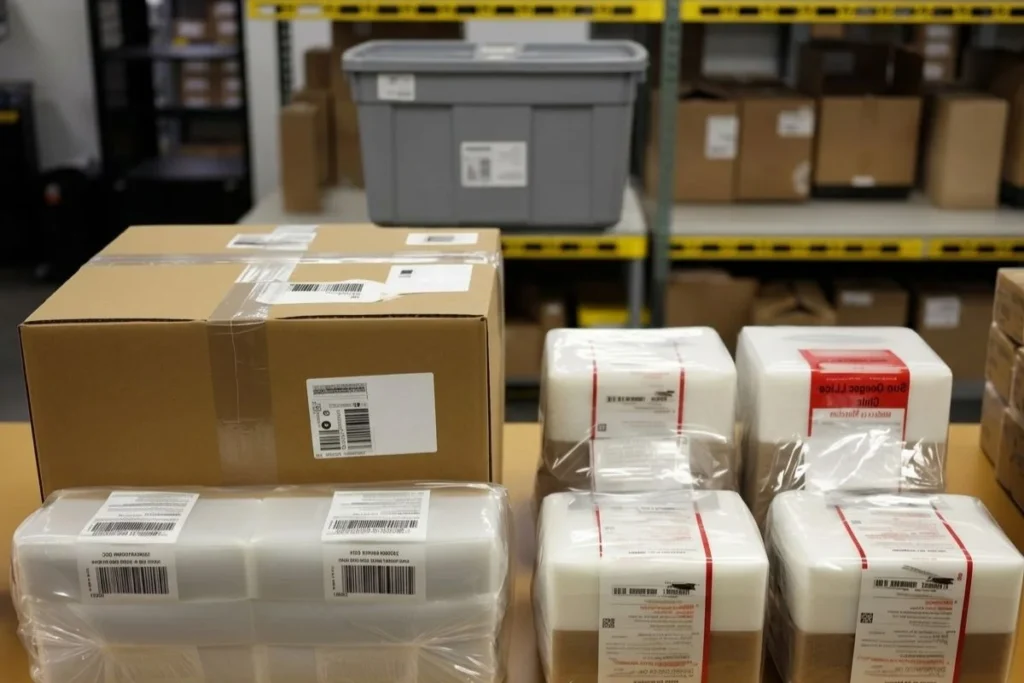
Step 3: Prepare Shipping Boxes to Amazon Standards
Box Weight and Dimension Limits
Amazon enforces strict limits on shipping boxes. Exceeding these triggers overweight fees, oversize storage fees, or total shipment rejection.
- Weight Limits: 50 lbs maximum for standard boxes. (The limit is 25 lbs for non-conveyable items).
- Dimension Limits: No single side can exceed 25 inches for a standard box. Even a fraction of an inch over this limit bumps you into a higher fee category.
- Box Integrity: You must use new, sturdy corrugated boxes capable of supporting 100 lbs stacked on top. Damaged, previously used, or weak boxes will be rejected at the dock.
- Pro Tip: Always use a calibrated scale and measure boxes carefully before finalizing your shipping plan.
Box Labeling and Shipping Plan Requirements
Your shipping plan in Seller Central must match your physical boxes with 100% accuracy. Any discrepancy triggers manual verification delays and problem-solving fees.
- FBA Box ID Labels: Generate these 4″ x 6″ labels in Seller Central. Apply them flat to the top and one side of each box so they are easily scannable.
- Obliterate Old Barcodes: You must completely remove or cover any old shipping labels, tracking numbers, or barcodes. Conflicting barcodes cause automated scanners to misroute your inventory.
- Accuracy is Mandatory: What you pack in a box must perfectly match the contents you entered in the system.
Working with experienced road freight services can help ensure these strict compliance standards are met, and your shipments arrive at the FC on time and properly documented.
Step 4: Special Category Prep Requirements
Apparel and Textile Preparation
Amazon is notoriously strict with apparel and textiles. Unless you’ve paid for “hanger prep” in your shipping plan, follow these rules:
- Polybagging and Folding: Fold clothing flat, remove all non-permanent clips, pins, or size stickers, and pack each garment in its own polybag (with a suffocation warning).
- Visibility: Ensure the manufacturer’s size tag is visible through the clear bag so workers can verify the listing without opening it.
- Compression: For textiles (bedding, towels), fold them uniformly and compress them to minimize box size—this directly reduces your storage fees.
- FNSKU Placement: Apply labels to the flat exterior of the polybag where they won’t crease when the garment shifts.
Liquid and Hazmat Product Prep
If your cargo leaks or poses a safety risk, it will be rejected, and your account could be suspended.
Liquid Rules:
- Double-Sealed Protection: Secure the original cap tightly and place the entire product inside a sealed, leak-proof polybag.
- Spill Containment: Add absorbent material inside the bag and mark the outer box with “LIQUID” labels on multiple sides.
Hazmat & Battery Rules:
- Hazardous Materials: Aerosols, flammables, lithium batteries, and certain chemicals demand specialized prep. You must complete Amazon’s hazmat review, supply Safety Data Sheets (SDS), and apply specific UN identification and hazard class markings.
- Battery Isolation: Lithium batteries must be packaged per DOT regulations, often requiring isolation from metal contacts using non-conductive materials.
(Pro Tip: Due to strict legal liability and the risk of account suspension, sellers handling dangerous goods should consult Amazon’s dangerous goods program and work with a specialized 3PL prep center experienced in hazmat compliance.)
Common FBA Prep Mistakes That Trigger Rejection Fees
Managing FBA prep in-house leaves massive room for human error. Avoid these costly mistakes that lead to immediate rejection, stranded inventory, and steep Amazon penalties:
- 1. Incorrect FNSKU Placement (The $0.30/Unit Trap): Placing labels on seams, curved surfaces, or failing to completely cover old barcodes causes automated scanning failures. Amazon will penalize you with manual processing fees of $0.15 to $0.30 per unit.
- 2. Overweight Boxes: Guessing weights instead of using a calibrated scale is a fast track to rejection. Exceeding the 50 lbs limit (or 25 lbs for non-conveyable items) incurs penalties starting at $0.50 per box and risks total shipment refusal.
- 3. Missing Suffocation Warnings: Any polybag with an opening of 5 inches or larger without a visible warning violates safety regulations. Amazon will immediately reject these shipments, leaving you footing the bill for return shipping.
- 4. Under-Protecting Fragile Items: Broken items don’t just cost you the sale; Amazon charges you disposal fees on top of your lost product value. Always over-protect rather than risking damage fees that exceed standard prep costs.
- 5. Ignoring the March 31, 2026 FNSKU Mandate (Critical): In exactly two weeks, resellers not enrolled in Brand Registry must use FNSKU barcodes on all inventory—even if the product has a manufacturer UPC. Missing this deadline guarantees automatic shipment rejection.
Protect Your Margins with a Strategic Buffer Zone Navigating Amazon’s ever-changing, millimeter-strict guidelines drains your time and threatens your profitability. One minor prep mistake can wipe out the margin on an entire shipment.
Instead of risking rejection fees and account health strikes, smart sellers use a specialized 3PL to handle the heavy lifting. By routing your inventory through EP Logistics, you gain a reliable buffer zone. Our experts inspect, prep, label, and guarantee 100% compliance before your cargo ever reaches the Amazon Fulfillment Center, keeping your inventory active and your revenue flowing.
FBA Prep Cost Analysis: DIY vs. Prep Service
Calculating Your In-House Prep Costs
Many sellers mistakenly view in-house prep as “free.” In reality, doing it yourself drains resources that should be spent scaling your business.
When calculating your true in-house costs, you must account for:
- Labor: Prepping takes 2 to 8 minutes per unit depending on complexity (polybagging, bundling, labeling). Multiply this by your hourly labor rate.
- Materials & Equipment: FNSKU labels, 1.5 mil polybags, heavy-duty bubble wrap, sturdy boxes, thermal printers, and heat sealers add up quickly.
- Real Estate: The square footage used to store packing supplies and stage inventory is a massive hidden cost, especially if you lease commercial space.
Since Amazon officially ended its prep services earlier this year (January 1, 2026), the burden is entirely on you. For growing brands, labor and facility costs quickly outpace the expense of outsourcing.
When to Outsource to FBA Prep Centers
Outsourcing to a 3PL becomes the most profitable choice the moment your true labor costs and error rates exceed a prep center’s per-unit fee.
It makes strategic sense to partner with a specialized Prep Center when:
- You Are Scaling Rapidly: Your time is better spent on sourcing and marketing, not taping boxes.
- You Lack Space: You’ve outgrown your warehouse or want to eliminate overhead real estate costs.
- You Need a “Buffer Zone”: A 3PL intercepts inventory directly from manufacturers, guaranteeing compliance and shielding you from Amazon rejection fees.
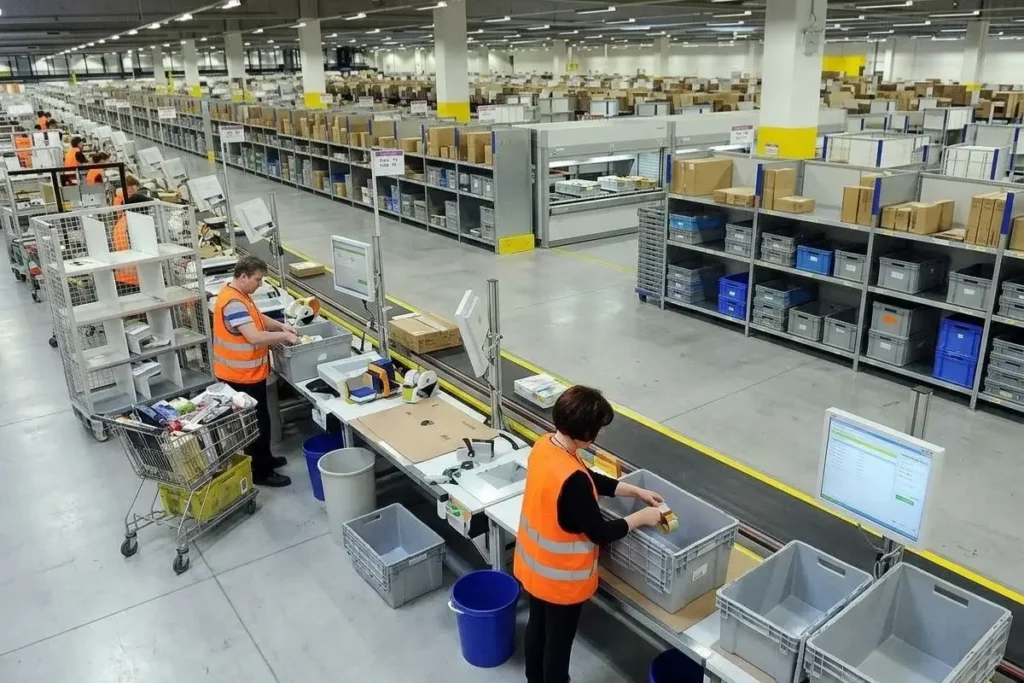
When evaluating how to choose a 3PL provider, prioritize partners with deep FBA expertise, transparent pricing, and strategic locations.
The math is simple: if your all-in cost per unit (including your time) exceeds the 3PL fee, outsourcing saves you money while acting as an insurance policy against Amazon’s strict compliance rules.
FBA Prep Checklist: Final Quality Control
Before sealing and shipping your boxes, use this final checklist to guarantee full compliance and avoid costly receiving delays:
1. FNSKU Label Verification
- Printed at 300 DPI minimum in Code 128 format (1″ x 2″ or 1″ x 3″).
- Placed on a flat surface with a 1/8 inch “quiet zone” on all sides.
- All original manufacturer barcodes are completely covered or removed.
2. Product Packaging Verification
- Polybags are at least 1.5 mil thick and completely sealed.
- Suffocation warnings are visible on any bag with a 5+ inch opening.
- Fragile items are fully bubble-wrapped; liquids are double-sealed.
- Bundles are tightly shrink-wrapped with a clear “Sold as Set” warning.
3. Box Preparation Verification
- Standard boxes weigh under 50 lbs (25 lbs for non-conveyable).
- No single dimension exceeds 25 inches.
- FBA Box ID labels are applied flat to the top and one side.
- All old shipping labels, addresses, and barcodes are completely obliterated.
4. Shipping Plan Verification
- Physical box contents match your Seller Central shipping plan exactly.
- Tracking numbers are uploaded and delivery appointments are scheduled (if required).
Stop Sweating the Small Stuff. This checklist ensures your shipment arrives ready for immediate receiving. However, managing this level of millimeter-strict quality control in-house is exhausting and leaves massive room for human error.
By leveraging EP Logistics as your dedicated prep center, you eliminate the guesswork. We act as your buffer zone, bypassing Amazon’s harsh penalties, reducing your overhead, and keeping your supply chain moving seamlessly.
