
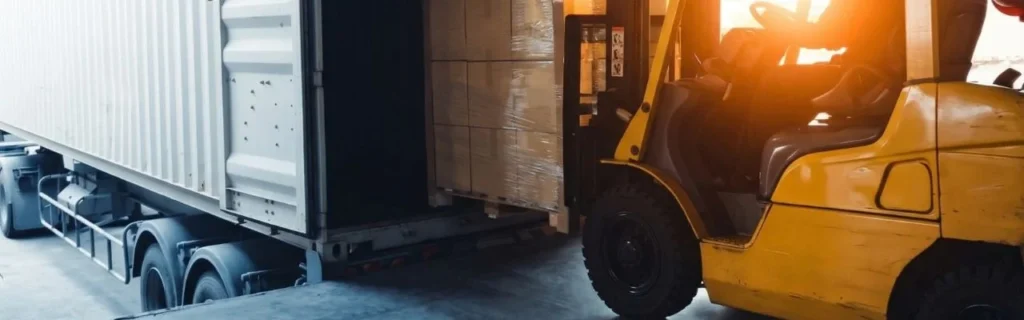
Businesses must make a crucial choice when ocean containers reach American ports: how best to distribute that cargo to its intended final location? EP Logistics specializes in transloading ocean containers to dry vans, providing seamless cargo transfer solutions that reduce costs, eliminate demurrage fees, and optimize your domestic distribution network.
From container arrival to dry van delivery, our strategically placed facilities and knowledgeable team handle the whole transfer process to guarantee your imported goods reach their destination faster and more economically.
What Is Container-to-Dry Van Transloading?
According to the U.S. Department of Transportation – Bureau of Transportation Statistics, container transloading is the process of moving goods from an international ocean container into domestic transportation equipment such as truck trailers or rail containers.
This specialized logistic service provider operation involves physically unloading cargo from standardized ocean shipping containers, typically 20-foot or 40-foot units, and reloading it into 53-foot domestic dry van trailers optimized for over-the-road transportation.
The distinction between intermodal and transloading shipping is important to understand:
- Intermodal. The same container stays put through multiple transportation modes.
- Transloading. The cargo itself physically moves between different equipment types, letting you take advantage of both international ocean shipping and domestic trucking networks.
Usually occurring at specialized facilities close to major ports or inland rail terminals, this process uses infrastructure and equipment built to handle both container types effectively. Before continuing its trip inland with domestic carriers, your cargo is carefully unloaded, inspected, sorted, and reloaded, often consolidated with other shipments or separated for several destinations.
Why Businesses Choose Transloading Services
Companies importing goods through ocean freight shipping services increasingly turn to transloading as a strategic solution for supply chain optimization, overcoming the limitations and costs associated with moving international containers directly to final destinations. The advantages affect everything from basic cost control to distribution flexibility and supply chain responsiveness, going beyond just cargo movement.
Cost Reduction and Demurrage Avoidance
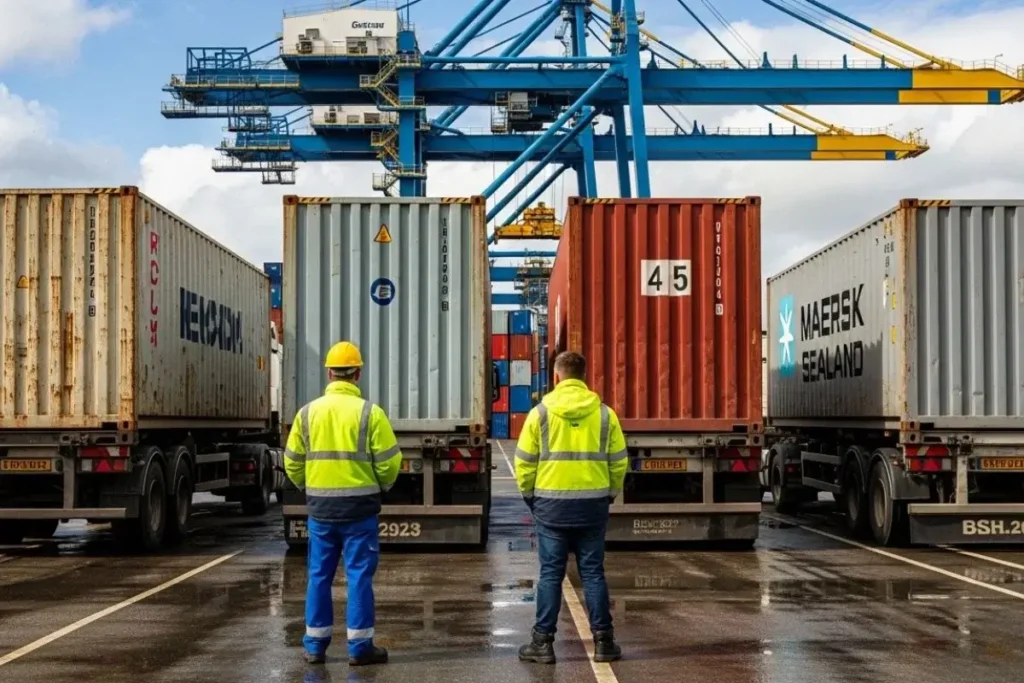
One of the biggest reasons businesses choose transloading is to reduce container demurrage fees by eliminating expensive port storage fees and demurrage charges.
Ocean carriers typically give you only 3-5 days of free time before they start charging daily demurrage fees, and these can quickly escalate to hundreds of dollars per container per day. Leave containers sitting while waiting for inland transportation or dealing with port congestion and misaligned delivery schedules, and those charges pile up fast.
Transloading solves this by quickly unloading ocean containers at a facility and returning empty equipment to the terminal within the free-time window. You avoid the penalties entirely. The empty containers go promptly back to the port, while your cargo continues its journey on more economical domestic equipment.
Optimized Freight Capacity
Here’s an advantage that often gets overlooked: domestic trailers hold more usable volume than international ocean containers. The 40ft container to 53ft trailer capacity comparison reveals that a standard 53-foot domestic dry van trailer offers approximately 3,800 cubic feet of usable space, compared to roughly 2,700 cubic feet in a 40-foot ocean container.
What does this mean for you? You can often consolidate cargo from multiple ocean containers into fewer dry van loads, reducing per-unit transportation costs by 20-30%. The weight distribution advantages also let you create more efficient loading configurations—maximizing payload while staying within legal weight limits for over-the-road transport. This translates directly to lower freight costs per unit shipped.
Improved Distribution Flexibility
Transloading facilities enable distribution strategies that would be impossible with direct container delivery:
- Break down a single container: Distribute its contents to multiple regional destinations, with each location receiving exactly the inventory needed, no need for full container volumes
- Consolidate multiple containers: Combine cargo from several containers into optimized loads heading to the same region, reducing transportation costs and improving delivery efficiency
This flexibility is particularly valuable for inland markets (the 13 key Midwest states alone represent 46% of national dry van load volume). It supports just-in-time inventory strategies and lets you respond quickly to changing market demands without the constraints of full-container economics.
For companies implementing how to improve supply chain operations, this flexibility represents a significant competitive advantage.
Container Types We Handle
EP Logistics has the equipment and expertise to handle all standard ocean container configurations. Here’s what we work with:
- 20-foot standard containers: The most common smaller format, typically used for dense, heavy cargo like machinery parts, raw materials, or consolidated smaller shipments. These hold approximately 1,170 cubic feet—ideal when you hit weight limits before filling the volume.
- 40-foot standard containers: The workhorse of international shipping, offering 2,390 cubic feet of space. Used across virtually all industries for general cargo, from consumer goods to industrial components. This is the most frequently transloaded container type at our facilities.
- 40-foot high-cube containers: Add an extra foot of height (9’6″ versus 8’6″), giving you 2,700 cubic feet of capacity. These are preferred for lightweight, bulky cargo like furniture, textiles, or packaged consumer products where maximizing volume is key.
- 45-foot high-cube containers: The maximum capacity available in standard ocean shipping is approximately 3,040 cubic feet. These specialized containers are increasingly common for retail imports and e-commerce fulfillment operations requiring maximum cargo density.
The global dry van container market is projected to grow from $6.2 billion in 2025 to $10.5 billion by 2035, showing just how much demand is growing for container handling and transloading services as international trade continues to expand.
The Transloading Process: How It Works
Understanding how transloading actually works helps you appreciate the care and coordination involved in transferring cargo between international and domestic equipment. Here’s how the process typically unfolds:
- Container Receipt and Inspection. When a container arrives at our facility, it gets logged into our warehouse management system, and the seal is verified and documented. We position the container at a designated dock door or unloading zone, then conduct an initial exterior inspection to identify any potential damage or security concerns before opening it.
- Cargo Unloading. Our skilled crew gently unloads the container contents using forklifts, pallet jacks, and dock systems. Everything gets counted, inspected for damage, and verified against shipping documentation. This stage is critical for catching any discrepancies or issues before the cargo moves further into the supply chain.
- Sorting and Staging. Unloaded cargo moves to designated staging zones within our warehouse, where final destination, customer specifications, or consolidation requirements organize it. This staging area allows for quality control checks, repalletizing if needed, and preparation for the next transportation phase.
- Consolidation or Deconsolidation
Depending on your distributor logistics strategy, cargo may be:
- Consolidated with other shipments heading to the same region, or
- Separated from a single container for distribution to multiple destinations
This flexibility is one of transloading’s biggest advantages—it lets you create optimized load configurations that reduce overall transportation costs.
- Dry Van Loading. Cargo gets loaded into 53-foot domestic dry van trailers using the same careful handling procedures. Our team maximizes space while ensuring proper weight distribution and load securement according to DOT regulations. Each trailer is loaded to optimize both cube and weight capacity.
- Documentation and Dispatch. Final bills of lading are prepared, load photos are taken for documentation, and trailers are sealed and dispatched to their destinations. Throughout this entire process, you receive real-time updates through our tracking systems and complete visibility from container arrival to final delivery.
Industries That Benefit from Container Transloading
Transloading provides value across virtually every sector involved in international trade, but certain industries find it especially advantageous:
- Retail and E-commerce. Operations importing consumer goods from overseas rely heavily on transloading to distribute products efficiently. Using partial dry van loads, a retailer importing home goods from Asia might transload a 40-foot container of mixed goods near the Port of Los Angeles and then distribute the contents to three different regional warehouses in California, Arizona, and Nevada. This is something impossible with direct container delivery.
- Manufacturing. Companies importing raw materials, components, or sub-assemblies use transloading to feed production facilities across multiple locations. An automotive parts manufacturer might receive containers of components from multiple Asian suppliers, consolidate them at a transloading facility, and then distribute optimized loads to assembly plants throughout the Midwest—reducing inbound freight costs while maintaining just-in-time inventory levels.
- Food and Beverage. Transloading’s speed in moving temperature-sensitive or time-sensitive goods across the supply chain helps importers. They can break down container loads and distribute products to regional distributors or retail chains with minimal delay, maintaining product freshness and reducing inventory carrying costs.
- Consumer Goods distributors importing products from Asia, which constitutes roughly 50% of the Port of Los Angeles’s imports according to DAT, use transloading to overcome the challenge of moving high volumes of diverse products to geographically dispersed customers. This is particularly valuable for businesses implementing supply chain efficiency solutions to remain competitive in fast-moving markets.
- Furniture and Home Furnishings. Companies importing bulky, lightweight products maximize the volume advantages of transloading. By transferring cargo from 40-foot high-cube containers to 53-foot domestic trailers, these businesses reduce the number of inland shipments required—directly lowering per-unit transportation costs.
Real-World Transloading Applications
Understanding how transloading works in practice helps show its real benefits. Here are some scenarios that demonstrate the operational and financial advantages:
Scenario 1: Multi-Regional Retail Distribution
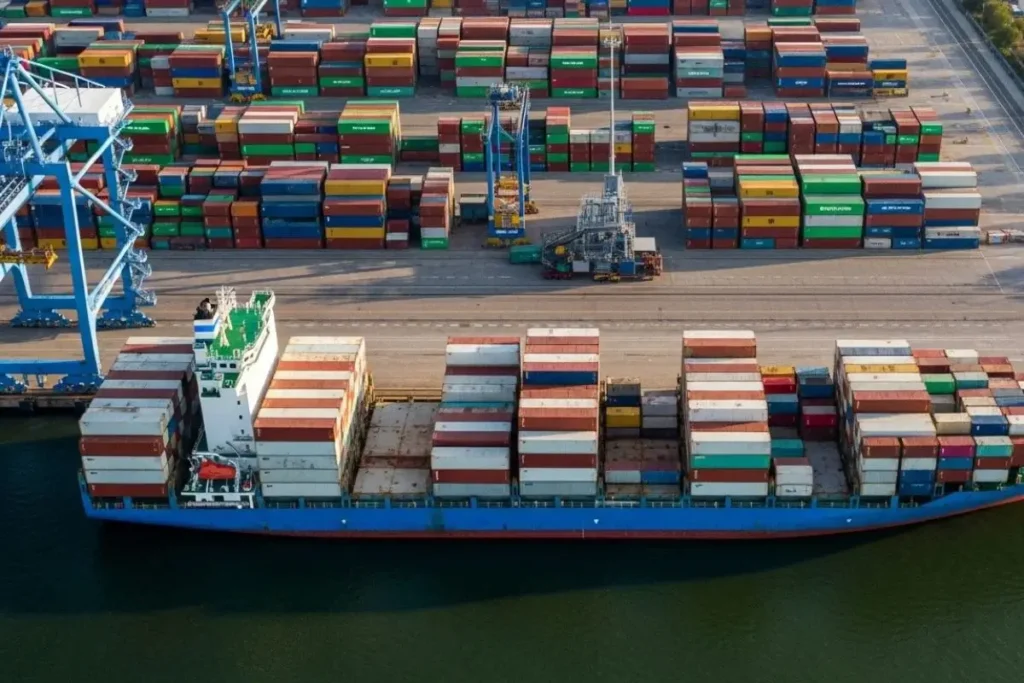
A national home goods retailer imports seasonal products from China through the Port of Los Angeles. In June 2025, the port processed 892,340 twenty-foot equivalent units (TEUs)—its highest-ever June shipping container traffic, according to DAT, highlighting just how much cargo needs efficient distribution solutions.
The retailer receives three 40-foot containers containing mixed home décor items. Instead of shipping each container directly to a single distribution center, they transload at a facility near the port. The contents get sorted and reloaded into five dry van loads:
- Two full loads to their Texas distribution center
- Two to their Arizona facility
- One partial load to Nevada
This approach eliminates 4-5 days of demurrage fees per container and reduces inland transportation costs by approximately 25% compared to direct container delivery to a single location followed by secondary distribution.
Scenario 2: Manufacturing Consolidation
An industrial equipment manufacturer imports components from three different Asian suppliers. The shipments arrive in separate 20-foot containers at different times over two weeks.
Using a transloading facility’s storage and consolidation capabilities, all three containers get unloaded and their contents consolidated into two optimized dry van loads heading to the company’s assembly plant in Ohio. This consolidation:
- Reduces freight costs
- Simplifies receiving operations at the plant
- Enables better inventory management techniques by receiving coordinated shipments instead of managing multiple separate deliveries
Scenario 3: Cost Optimization During Peak Season
An e-commerce company importing consumer electronics faces tight margins and high freight costs. With FTL dry van contract rates reaching $2.41 per mile in Q3 2025 (up 0.4% from Q2), every efficiency gain matters.
By transloading their 40-foot containers into 53-foot dry vans, they increase usable cargo space by approximately 40%, allowing them to move the same volume in fewer loads. For a company shipping 20 containers monthly, this translates to needing only 14-15 dry van loads—saving thousands of dollars in monthly transportation costs while avoiding demurrage fees through rapid container return.
EP Logistics Transloading Capabilities
EP Logistics brings decades of logistics expertise and purpose-built infrastructure to every transloading operation, ensuring your cargo moves efficiently from ocean container to domestic delivery with minimal handling time and maximum cost savings.
Strategic Facility Locations
Our transloading facilities are strategically positioned to serve major import gateways and inland distribution corridors. Each location is close to major ports or inland rail ramps and provides:
- Dock space and material handling equipment
- Warehouse staging areas for unloading ocean containers
- Inspection, palletizing, and reloading capabilities
This strategic positioning is essential for effective warehouse location strategy, minimizing drayage costs and reducing the time between container arrival and inland dispatch.
Our facilities near major West Coast ports provide immediate access to the highest volumes of Asian imports, while our inland locations serve as consolidation points for cargo moving to Midwest and Eastern markets.
Each facility sits close to major interstate highways and rail terminals, ensuring seamless connections to the broader transportation network. Whether you’re shipping to a single destination or multiple regional markets, our geographic coverage has you covered.
Equipment and Technology
EP Logistics facilities are equipped with specialized material handling equipment for efficient, safe cargo transfer:
- Modern forklifts with capacities ranging from 5,000 to 15,000 pounds
- Electric pallet jacks for smaller items
- Specialized container handling equipment
- Container chassis for positioning containers at dock doors
- Dedicated staging zones for organized sorting and consolidation
Our warehouse management system provides real-time visibility throughout the transloading process—from container receipt through dry van dispatch. You can track cargo status, view digital documentation, and receive automated notifications at each milestone.
Our systems integrate seamlessly with customer ERPs and transportation management systems, creating a connected logistics ecosystem that improves overall supply chain performance.
Get Started with EP Logistics Transloading Services
Optimizing your import supply chain starts with choosing the right transloading partner. To provide dependable, reasonably priced container-to-dry van transloading services that keep your cargo moving and your expenses under control, we at EP Logistics aggregate strategic facility locations, seasoned personnel, and proven procedures.
Our team can tailor a transloading solution to your container volumes, destination markets, timing restrictions, and cost goals. To manage continuous high-volume imports or ship a single container, we have the capacity and knowledge.
To get a comprehensive quote for your transloading needs, get in touch with us. At EP Logistics, we will analyze your supply chain, find optimization opportunities, and provide transparent pricing that shows transloading’s savings. Our professional transloading services can lower your costs, increase distribution flexibility, and boost your competitiveness in today’s demanding market.
