
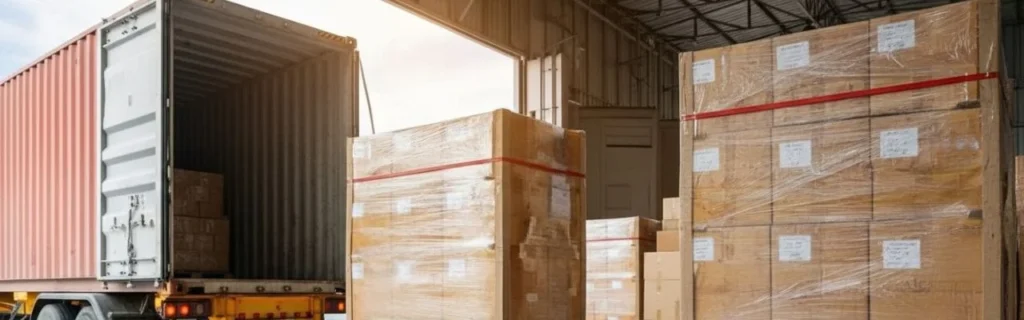
Choosing between Less than Container Load (LCL) and Full Container Load (FCL) shipping can significantly impact your bottom line and delivery timelines. This LCL FCL container shipping comparison will help you navigate the complexities of international freight to determine which option best suits your business needs.
What is LCL (Less than Container Load) Shipping?
LCL shipping lets multiple shippers share space in one container, with each paying only for the volume their cargo takes up.
Here’s how it works: Your goods get combined with shipments from other businesses at the origin port through container consolidation. When the container arrives at the destination port, it goes through the deconsolidation process; that’s when individual shipments get separated and prepped for final delivery.
LCL shipments are usually measured in cubic meters (CBM), with pricing based on shipping costs per CBM, the space your cargo uses, rather than a flat container rate.
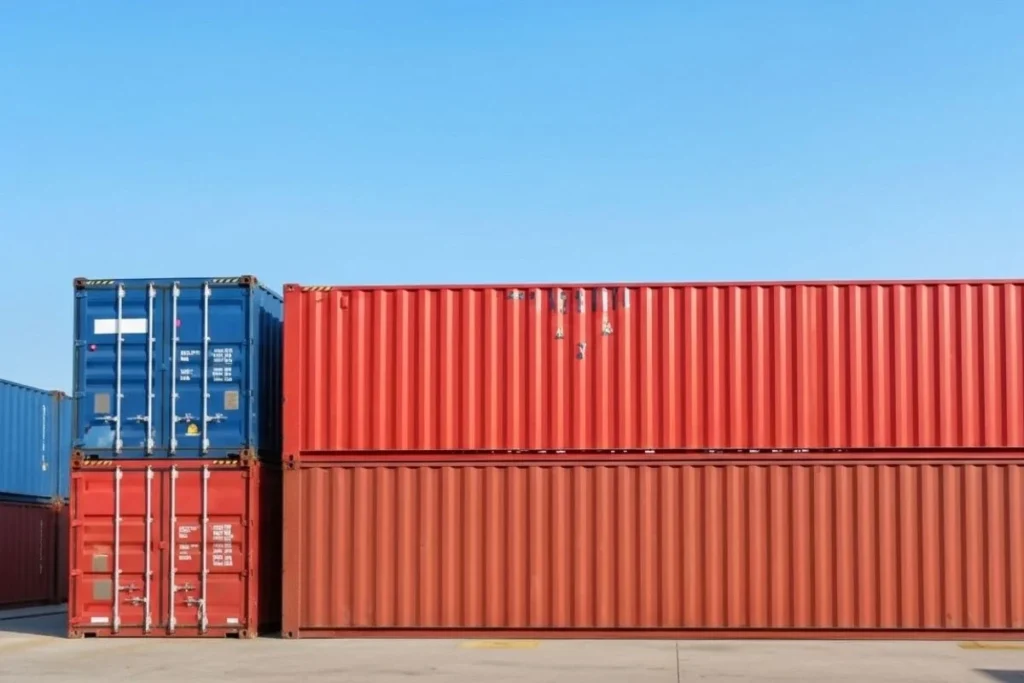
How LCL Consolidation Works
The consolidation process starts at a Container Freight Station (CFS) where your goods get combined with other shipments going to the same place through freight forwarding services.
This shared container, part of comprehensive international logistics, makes international shipping doable for businesses that don’t have enough goods to fill a whole container based on shipping volume thresholds and container capacity.
But keep in mind that the extra handling involved in consolidation and deconsolidation can make transit times longer.
LCL shipping is quite flexible. The WTA Group notes one of the main benefits of LCL shipping: it can get your goods through more quickly, even during busy times when ships are almost full.
What is FCL (Full Container Load) Shipping?
FCL shipping gives you exclusive use of an entire container for your shipment, whether you fill it up completely or not.
With FCL, you get a dedicated container that stays sealed from start to finish, which means less handling and less chance of damage to your goods. This option offers better security and usually faster transit times than LCL, making it a key element in effective Supply Chain Management.
Despite the name, Full Container Load doesn’t mean you have to fill the container. Many shippers opt for FCL even when their cargo doesn’t fill the entire container, as it offers other benefits within comprehensive ocean freight solutions
Despite the name, Full Container Load doesn’t mean you have to fill the container. Many shippers opt for FCL even when their cargo doesn’t fill the entire container, as it offers other benefits within comprehensive ocean freight solutions.
FCL Pricing Structure
FCL shipping works on a flat-rate pricing model where you pay for the entire container no matter how much space your goods actually use.
Standard container sizes include:
- 20-foot containers (about 33 cubic meters of space)
- 40-foot containers (about 67 cubic meters)
The predictable pricing makes budgeting easier for regular shippers.
Key Differences Between LCL and FCL Shipping
Shipment Volume Considerations
The volume threshold that usually determines when to switch from LCL to FCL falls between 13-15 cubic meters.
For shipments smaller than this, LCL is generally the better deal. Once your cargo goes over this volume, FCL often becomes cheaper because of its flat-rate pricing.
To figure out if your shipment justifies FCL, multiply the length, width, and height of your cargo in meters to get the total volume in CBM. Then compare the per-CBM rate for LCL against the flat container rate for FCL.
Cost Comparison: Which Option is More Economical?
LCL shipping charges by volume, making it budget-friendly for smaller shipments but potentially pricey for larger ones.
FCL offers a fixed price, no matter how full the container is. This creates a break-even point where the cost of LCL equals or goes over the flat rate of FCL.
Additional costs to watch out for:
LCL includes:
- Consolidation fees
- Handling charges
- Documentation expenses
FCL has:
- Fewer extra charges
- But you pay for the whole container even if it’s only partially filled
Hidden Cost Factors
With LCL, you’ll encounter additional handling fees that don’t apply to FCL shipments:
- Consolidation and deconsolidation charges
- Higher insurance premiums due to increased handling
- Potential storage fees if your cargo arrives before the rest of the container’s contents
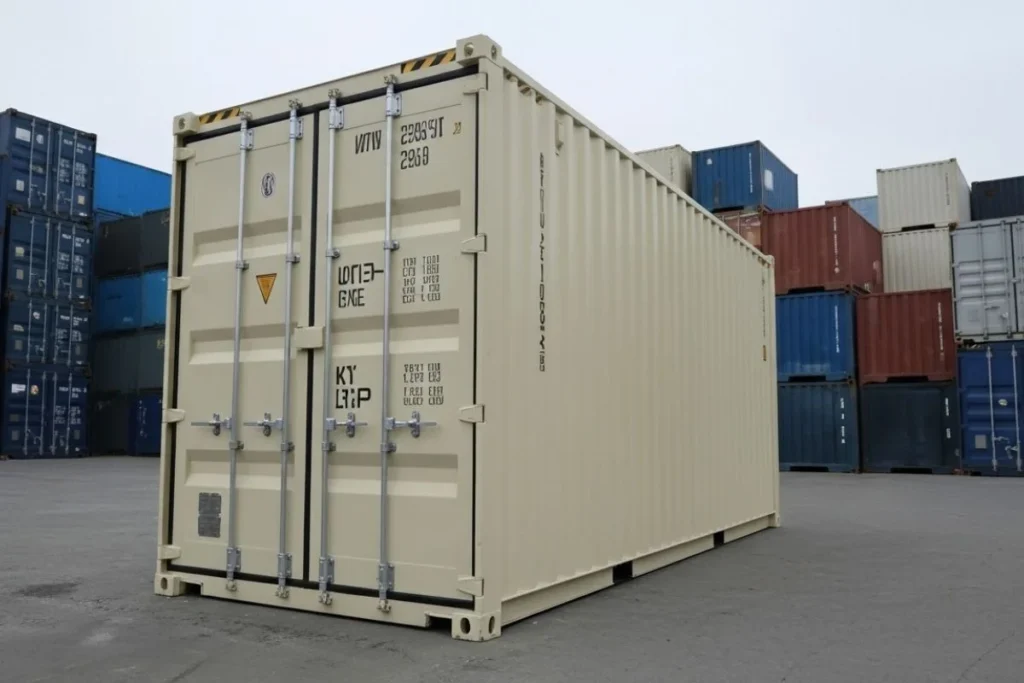
FCL shipping eliminates these extra costs but requires sufficient volume to justify the container expense.
Transit Time and Delivery Speed
FCL shipments usually get to their destination faster than LCL because there are fewer processing steps along the way.
According with experts, LCL shipments from China to the U.S. West Coast take about 28–35 days on average, while FCL shipments are typically faster since there’s no consolidation delay. The same source points out that LCL consolidation can tack on an extra 2–5 days to your overall transit time compared to FCL shipping.
During busy shipping seasons, LCL shipments may face more delays as consolidation facilities deal with higher volumes. FCL shipments tend to keep more consistent transit times year-round.
Cargo Security and Risk of Damage
FCL offers better security since your container stays sealed from start to finish, with less handling and exposure.
“By sealing containers at the factory, there are fewer chances for damage,” explains the WTA Group when talking about FCL benefits. This reduced handling makes FCL the better choice for:
- Fragile items
- High-value cargo
- Sensitive goods
LCL shipments go through multiple handling stages during consolidation and deconsolidation, which increases the risk of damage or loss. That said, for certain standardized goods that are well-packaged, this risk might be worth it given the cost savings.
When to Choose LCL Shipping
LCL shipping is ideal in several specific scenarios where flexibility and cost-efficiency for smaller volumes are priorities.
Ideal Scenarios for LCL
Small businesses with limited shipping volume benefit significantly from LCL’s accessibility. When testing new products or markets, LCL allows for smaller initial shipments without committing to a full container.
Businesses with just-in-time inventory strategies often prefer LCL for its ability to support more frequent, smaller shipments rather than less frequent bulk deliveries.
The choice between LCL and FCL transcends mere container space and business size. It’s about expenses, speed, adaptability, and your long-term logistical plan.
Benefits for Growing Businesses
LCL shipping offers particular advantages for businesses in growth phases:
- Lower upfront shipping costs for smaller order quantities
- Ability to ship more frequently, reducing inventory carrying costs
- Flexibility to serve multiple destinations from a single sourcing location
At EP Logistics, we specialize in helping businesses optimize their LCL shipping strategies, particularly for cross-border trade between the US and Mexico, where efficient cargo consolidation can significantly reduce costs.
When to Choose FCL Shipping
FCL shipping becomes the optimal choice in scenarios where volume, time sensitivity, or cargo security are primary concerns.
Volume-Based Decision Making
When your shipment goes over 13-15 CBM, FCL usually becomes more cost-effective than LCL on a per-unit basis.
Regular large-volume shipments benefit from:
- FCL’s predictable pricing
- Streamlined logistics
Businesses with seasonal peaks can use FCL to move larger quantities efficiently during high-demand periods.
The global FCL shipping market size is estimated at $443.13 billion in 2025, expected to grow to $699.32 billion by 2032, according to Global Growth Insights. This shows just how big a role FCL plays in global trade.
Time-Sensitive Shipments
FCL offers distinct advantages for urgent deliveries:
- Direct routing with minimal stops or transfers
- No delays waiting for consolidation with other shipments
- Faster customs clearance in many jurisdictions
- Priority handling at ports and terminals
FCL and LCL Shipping Combinations
Beyond the standard FCL and LCL options, various combination approaches can be tailored to specific logistics needs.
LCL/LCL
In an LCL/LCL arrangement, cargo is delivered loose (not in a container) to the origin port and received the same way at the destination.
This involves consolidation at both ends of the journey and is typically used for smaller shipments where the sender and receiver can’t handle containers themselves. While it gives you maximum flexibility for small volumes, it involves the most handling steps.
LCL/FCL
The LCL/FCL combination means cargo is delivered loose but received as a full container at the destination.
This works well when you’re:
- Collecting goods from multiple suppliers
- Consolidating them into a single container
It cuts down on handling at the destination but still requires consolidation at the origin.
FCL/FCL
FCL/FCL is the standard container shipping model where cargo travels in a dedicated container from start to finish.
This offers:
- Maximum security
- Minimal handling
It’s ideal for sensitive, high-value, or time-critical shipments. The container stays sealed throughout transit, lowering the risk of damage or loss.
FCL/LCL
In an FCL/LCL arrangement, cargo is containerized at the origin but broken down at the destination for distribution.
This works well for businesses shipping large volumes to multiple final destinations in the same region. It keeps your goods secure during the main transit while giving you distribution flexibility at the destination.
How EP Logistics Can Help Optimize Your Container Shipping
Cross-Border Expertise
At EP Logistics, we specialize in US-Mexico cross-border shipping, offering unique insights into the specific challenges and opportunities in this trade corridor.
With our strategic locations along the border and deep understanding of customs requirements in both countries, we streamlines the movement of goods between these major trading partners. Our complete guide to FTZ draws on our deep expertise to help you optimize your cross-border shipping strategy.
Comprehensive Service Integration
We at EP Logistics provide end-to-end logistics solutions that integrate container shipping with warehousing, customs clearance, and final delivery.
This integrated approach eliminates the need to coordinate multiple service providers, reducing complexity and potential points of failure in your supply chain. By handling the entire process, at EP Logistics we deliver greater visibility and control over your shipments.
Our logistics experts can analyze your specific shipping patterns and requirements to determine whether LCL, FCL, or a combination approach best serves your business needs and budget constraints.
Making the Right Choice for Your Business
The choice between LCL and FCL shipping comes down to your specific business needs, shipment volume, timeline, and budget.
Choose LCL when:
- Your shipments are under 13-15 CBM
- You want better value despite longer transit times
- You can accept additional handling
Choose FCL when:
- You have larger shipments
- Your cargo is time-sensitive
- You’re shipping high-value goods that need better security and speed
As global shipping markets continue to evolve, working with an experienced logistics partner like EP Logistics can help you navigate these decisions with confidence. Our expert logistics solutions for international trade ensure your cargo moves efficiently, regardless of which container option you choose.
By understanding the differences in this LCL vs FCL container shipping comparison, you can make smart decisions that save both time and money in your supply chain operations.
