
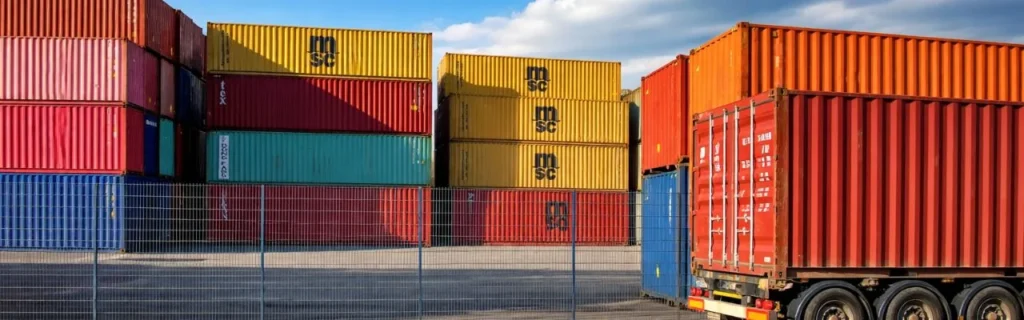
How do I ensure my cargo won’t be contaminated or stolen in Mexico? Cargo theft in Mexico dropped 21.5% in 2025, which is good news, but Mexico still accounted for 59% of all cargo thefts in North America in Q3 2025. The trend is moving in the right direction, but cross-border shipments continue to face serious security challenges from both theft and contamination risks.
Whether you’re shipping high-value electronics, temperature-sensitive pharmaceuticals, or food-grade products, having solid security protocols in place is essential to protecting your cargo and your business. Here are seven proven strategies that combine technology, certification standards, operational best practices, and insurance protection to keep your Mexico shipments safe from origin to destination.
1. Partner with C-TPAT Certified Carriers
Your first line of defense against cargo theft and contamination is choosing carriers with Customs-Trade Partnership Against Terrorism (C-TPAT) certification. This voluntary CBP program sets rigorous security standards that certified carriers must consistently meet. In Mexico, the Nuevo Esquema de Empresa Certificada (NEEC) works alongside C-TPAT to provide reduced inspections and faster processing for certified carriers.
C-TPAT certification means a carrier has implemented comprehensive security protocols covering:
- Physical facility security (controlled access, perimeter fencing, lighting, alarm systems)
- Personnel background checks for all employees with cargo access
- Documented procedures for cargo handling, seal verification, and discrepancy reporting
- Seven-point inspection protocols for trailers and containers
- Chain-of-custody documentation throughout transit
When evaluating potential logistics partners, prioritize those who maintain active C-TPAT status and understand the complexities of cross-border freight security. This certification becomes even more critical given that Mexico’s 2025 regulations require advanced cargo tracking systems and C-TPAT certifications for detailed documentation at border points.
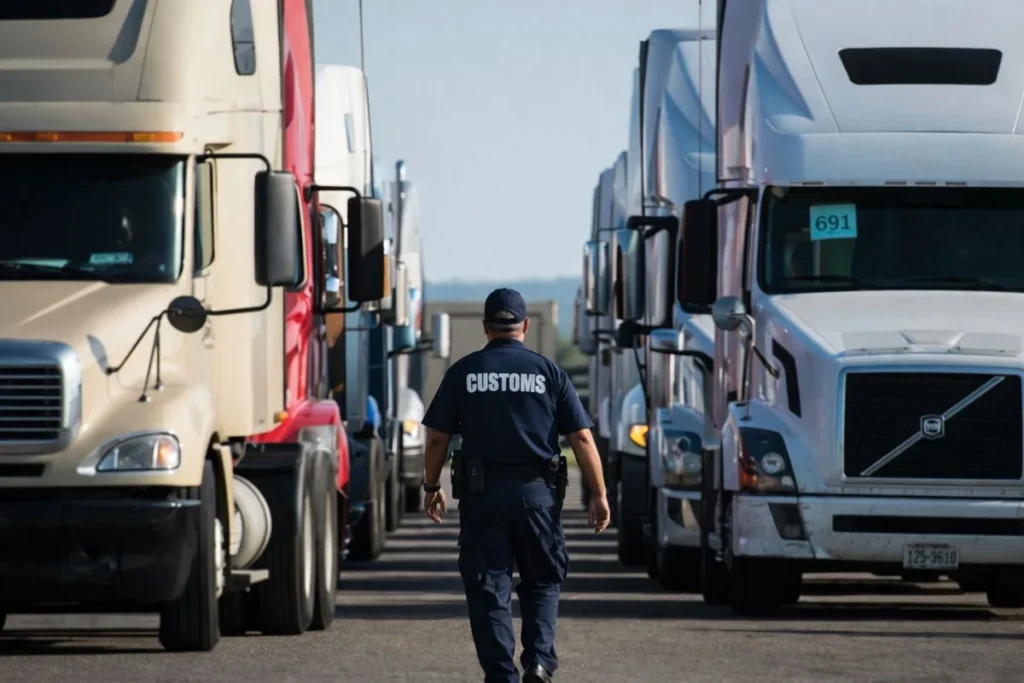
What C-TPAT Certification Guarantees
C-TPAT certified carriers must meet specific security standards across several key areas:
- Physical security: Controlled access to facilities, perimeter fencing, adequate lighting, and alarm systems.
- Personnel security: Comprehensive background checks for everyone with cargo access—drivers, warehouse staff, and administrative personnel who handle shipping documentation.
- Procedural controls: Documented processes for cargo handling, seal verification, and discrepancy reporting. Carriers must also implement seven-point inspection protocols for trailers and containers, verify driver identities before releasing cargo, and maintain chain-of-custody documentation throughout transit. These safeguards directly address the vulnerabilities criminals most commonly exploit during cross-border trucking.
On top of all this, Mexico’s 2025 regulations require advanced cargo tracking systems and C-TPAT certifications for detailed documentation at border points. This means certified carriers must demonstrate real-time visibility capabilities and maintain comprehensive electronic records that satisfy both U.S. and Mexican customs authorities.
How to Verify Carrier Certification Status
Before committing to a carrier, take a few minutes to verify their credentials—it’s worth it. Here’s what to do:
- Check their C-TPAT status: Request the carrier’s C-TPAT SVI (Supply Chain Security Best Practices) number and confirm it appears in CBP’s database of certified participants. This takes just minutes but gives you solid confirmation of their security credentials.
- Confirm FAST Program status and SCAC codes: FAST enrollment means the carrier has cleared additional security requirements and can access expedited lanes at border crossings, reducing dwell time and theft exposure during delays.
- Ask for their latest audit documentation: Request the carrier’s most recent C-TPAT validation date and any corrective action plans from previous audits. A reputable carrier will share this information without hesitation. If they’re evasive, that’s a red flag you shouldn’t ignore.
2. Implement Real-Time GPS Tracking and Geofencing
Real-time GPS tracking with geofencing gives you continuous visibility into your cargo’s location and movement throughout transit. These systems send automatic alerts when shipments deviate from approved routes, make unauthorized stops, or enter high-risk zones—so you can respond to potential theft situations before cargo disappears.
Modern GPS tracking systems do more than simply report location coordinates. Advanced platforms integrate with transportation management systems to provide predictive analytics, historical route analysis, and automated exception reporting. This data helps identify patterns that may indicate security vulnerabilities or insider threats within your supply chain risk mitigation strategy.
Critical Tracking Features to Require
When choosing a GPS tracking solution, don’t settle for basic location reporting. Make sure your system includes:
- Real-time updates every 5 minutes or less so you can detect problems quickly
- Immediate route deviation alerts when vehicles stray from approved corridors
- Anti-jamming technology — criminals in Mexico use GPS jamming devices (known as “hawks”) to disable standard trackers. Advanced systems detect jamming attempts and send alerts even when the signal is disrupted, giving you early warning of a potential theft
- 24/7 monitoring by a dedicated security operations center — human oversight adds a critical layer that automated systems alone can’t provide. These centers can verify alerts, contact drivers directly, and coordinate with local authorities when something looks suspicious
High-Risk Zones Requiring Enhanced Monitoring
Not all routes through Mexico carry the same risk. In Q3 2025, Puebla accounted for 23% of cargo theft incidents and the State of Mexico for 18%, with Highway 150D between Puebla City and Mexico City standing out as the highest-risk corridor.
When shipments must pass through these areas, step up your security measures:
- Increase GPS reporting frequency
- Set mandatory check-in protocols at specific waypoints
- Coordinate with local security resources
- Consider alternative routes, even if they add some transit time or distance
Urban areas around Mexico City, Guadalajara, and Monterrey also carry elevated risks during congestion periods, when trucks are forced to slow down or stop. Setting tighter geofencing parameters around these metropolitan zones helps you detect problems in areas where criminals tend to operate with greater frequency and sophistication.
3. Use Team Drivers and Non-Stop Transit for High-Value Loads
Most cargo theft happens when trucks are stationary—and the numbers back this up. In Q3 2025, 65% of cargo theft events occurred in-transit while 34% happened at unsecured parking locations. The solution? Keep your trucks moving.
Team driver configurations allow for continuous movement without rest breaks, eliminating the vulnerable stopping periods that criminals target. This approach is especially critical for high-value electronics, pharmaceuticals, and other cargo that attracts organized theft rings. Yes, team drivers cost more, typically 15-25% above single-driver rates, but that investment is easy to justify when you’re moving shipments worth $100,000 or more.
When Non-Stop Transit is Essential
Some shipments simply can’t afford to stop. These include:
- Electronics, pharmaceuticals, consumer goods, and food products, consistently among the most stolen cargo types in Mexico
- Any shipment valued above $100,000, these should always be evaluated for team driver deployment
- Cargo moving through high-risk corridors, daytime transit is strongly preferred, as criminal activity intensifies after dark
A few additional tips worth keeping in mind: avoid moving freight at night whenever possible, and think carefully before arranging security escorts. While they offer protection, they can also signal to criminals that your cargo is particularly valuable.
For pharmacy transportation and other temperature-sensitive cargo, non-stop transit serves dual purposes of security and product integrity. Eliminating stops prevents both theft opportunities and temperature excursions that could compromise product quality, making this strategy essential for maintaining cold chain compliance.
4. Secure Comprehensive Cargo Insurance Coverage
Standard liability coverage often isn’t enough for the elevated risks present in Mexican supply chains. Comprehensive cargo insurance is essential, and the numbers make it clear why. In 2024-2025, 67.4% of Kenworth cargo thefts in Mexico involved violence, with 2,049 total thefts recorded. This isn’t a risk you want to face underinsured.
Your cargo insurance policy should cover the full declared value of your shipments, including product cost, freight charges, and duties paid. Make sure it specifically covers theft, hijacking, contamination, and damage during transit through Mexico, including border crossings and temporary storage at customs facilities.
Work with insurance providers who specialize in Mexico cross-border logistics. These specialists understand the specific risks in different regions and corridors, and can structure policies that match your cargo profile and route requirements without leaving dangerous gaps in your coverage.
Coverage Gaps to Avoid
Not all policies are created equal, and some common limitations can leave you seriously exposed:
- Inadequate liability limits: Standard freight liability typically covers only $0.50 to $2.00 per pound of cargo. On a 40,000-pound load, that’s just $80,000 in coverage, even if your cargo is worth $500,000. Always insist on full declared value coverage instead of relying on carrier liability limits.
- Theft exclusions: Many policies exclude theft under specific circumstances, such as unattended vehicles, overnight parking, or transit through high-risk zones. Review exclusions carefully and negotiate the removal of any restrictions that would leave your typical shipments unprotected. Given that two-thirds of thefts involve violence, make sure your policy explicitly covers hijacking and violent theft, without requiring proof of forced entry or specific security measures.
- Missing contamination coverage: For food-grade cargo and pharmaceuticals, contamination coverage often comes as a separate endorsement rather than a standard inclusion. Verify that your policy covers contamination from external sources, temperature excursions, and seal breaches. This protection is critical, if your products are contaminated and rendered unsalable, you need to be covered even if the cargo is physically recovered intact.
5. Establish Contamination Prevention Protocols
Preventing cargo contamination requires systematic controls at every stage—from initial loading through final delivery. Contamination risks include exposure to chemicals, biological agents, temperature excursions, moisture damage, and physical tampering. The good news is that most of these risks can be managed with the right protocols in place.
- Start with a thorough equipment inspection before loading. Trailers and containers must be clean, dry, and free from residues, odors, or damage that could compromise your cargo. Document everything with photos and written reports—this documentation becomes critical evidence if contamination claims arise later.
- Use tamper-evident seals on all cargo doors and access points, recording seal numbers on your shipping documentation. Check seal integrity at every transfer point and investigate any discrepancies immediately. A broken or missing seal is a red flag that requires cargo inspection before continuing transit. These protocols align with secure parking facilities requirements and approved route standards.
Food-Grade and Pharmaceutical Cargo Requirements
Food-grade and pharmaceutical shipments need an extra layer of contamination controls beyond standard cargo protection. These aren’t optional; they’re mandatory for maintaining product integrity and regulatory compliance, whether you’re shipping domestically within Mexico or crossing the border.
Here’s what these shipments require:
- Sanitary equipment certifications and sealed trailer configurations
- Continuous temperature monitoring with data loggers that record conditions throughout transit—providing verifiable proof of temperature maintenance and pinpointing when and where any excursions occurred
- Full documentation compliance, including Bill of Lading, Commercial Invoice, Certificate of Origin for USMCA treatment, and Proof of Payment of Duties
- Good Distribution Practice (GDP) certifications and validated shipping lane qualifications for pharmaceutical cargo
Work with carriers who have specialized equipment and training for handling these sensitive products. Improper handling can render entire shipments unsalable, regardless of whether theft or contamination is the cause.
6. Vet Carriers Through Background Checks and Performance History
Thoroughly vetting your carriers protects you against both weak security practices and insider threats that can facilitate cargo theft.
When evaluating carriers, ask for detailed information about their security protocols, driver vetting procedures, facility security measures, and incident response capabilities. Reputable carriers will share this information openly and can back it up with facility tours, documentation, and references from clients with similar cargo profiles.
Also review their claims history and theft incident reports from the past 24-36 months. Repeated incidents, especially in similar circumstances or locations, point to systemic security weaknesses, not just bad luck.
Compare their performance metrics against industry benchmarks to identify carriers who consistently outperform their peers in cargo security and Mexico logistics security measures.
Red Flags When Selecting Mexico Carriers
Some warning signs should disqualify a carrier immediately. Watch out for:
- No real-time GPS tracking or resistance to providing tracking access, continuous visibility is a baseline requirement today, not a premium add-on.
- Inability to provide proof of insurance. Request certificates directly from the carrier’s insurance provider, not carrier-provided documents that may be outdated or falsified.
- No protocols against staged accidents and police impersonation. These are common criminal tactics in Mexico. Carriers should have documented procedures for verifying law enforcement credentials, reporting suspicious traffic stops, and maintaining communication during unexpected delays. If they don’t, they likely don’t understand the sophisticated tactics used by organized criminal groups.
- Poor safety scores, high driver turnover, and aging equipment. These often signal inadequate training, poor maintenance, and financial pressures that compromise security investments.
7. Leverage Secure Parking Facilities and Approved Routes
Where your truck stops matters just as much as the route it takes. In Q3 2025, 34% of cargo thefts occurred at parking facilities, which means choosing the right place to park is a critical security decision, not an afterthought.
Secure facilities provide controlled access, security personnel, surveillance systems, and proper lighting that deter criminal activity. Approved routes should avoid known high-risk corridors whenever alternatives exist, even if detours add time or distance. The cost of route optimization is nothing compared to losing a full load and dealing with supply chain disruption.
Drivers should also be equipped with panic buttons as standard equipment and follow clear no-stop policies during transit through high-risk areas. When emergency stops or unplanned delays happen, drivers need pre-approved protocols for reporting problems, requesting assistance, and documenting any route deviations. Understanding cross border logistics cost implications helps balance security investments against operational efficiency.
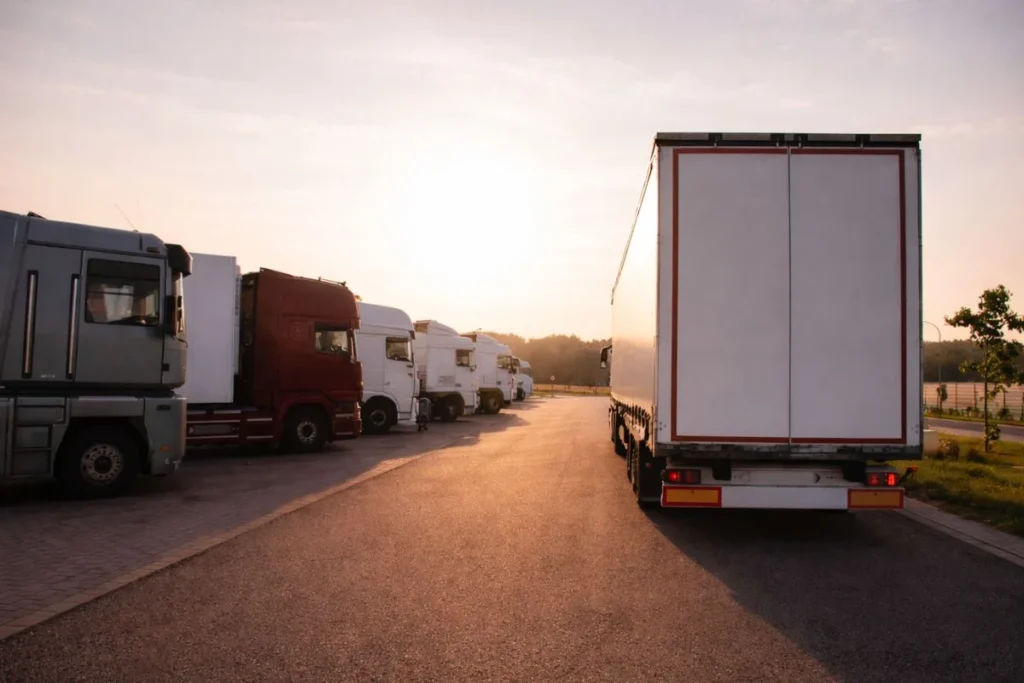
Approved Secure Parking Networks in Mexico
Several vetted parking facility networks operate throughout Mexico, offering commercial vehicles secure overnight and emergency parking. These facilities typically provide:
- Guarded entry gates and perimeter fencing
- Surveillance cameras and on-site security personnel
- Driver amenities and maintenance support
- Secure cargo transfer capabilities at select locations
Major logistics companies and industry associations maintain updated lists of approved secure parking locations along primary freight corridors. Make sure your drivers have current facility information, addresses, contact numbers, and access procedures before they hit the road. Pre-registering with facility networks can speed up entry and guarantee space availability during peak periods.
The bottom line: roadside parking, unauthorized lots, and unmonitored truck stops are unacceptable risks for loaded vehicles. Even a brief stop at an unsecured location can create a theft opportunity, particularly in high-risk regions where criminal networks actively monitor truck movements.
How EP Logistics Protects Your Mexico Shipments
At EP Logistics, all seven security protocols outlined in this guide are standard practice—not optional add-ons. Here’s what that looks like in practice:
- C-TPAT certified carrier network: Every carrier partner maintains active FAST program status and a consistent theft-free performance record
- Mandatory GPS tracking: Real-time tracking with geofencing on every shipment, giving you continuous visibility and immediate alerts for route deviations or unauthorized stops
- Team drivers for high-value cargo: Strict no-stop policies during transit through high-risk corridors
- Comprehensive cargo insurance: Structured to eliminate the common coverage gaps that leave shippers exposed to theft, contamination, and violent incidents
- Specialized contamination prevention protocols for sensitive cargo: Continuous temperature monitoring and documented chain-of-custody procedures for pharmaceuticals and food products
- Rigorous carrier vetting: Every carrier undergoes background checks, performance history reviews, and facility inspections before joining our network—and we continuously monitor their performance
- 24/7 monitoring support: Route planning that prioritizes approved corridors and vetted secure parking facilities, with around-the-clock oversight for all shipments transiting Mexico
Frequently Asked Questions
What are the most commonly stolen products in Mexico?
Electronics, automotive parts, food and beverages, pharmaceuticals, and consumer goods consistently rank as the most frequently targeted cargo types. These products combine high resale value with ready black-market demand, making them attractive to organized theft rings operating throughout Mexico’s primary freight corridors.
Is cargo theft increasing or decreasing in Mexico?
SESNSP reported a 21.49% annual drop in cargo theft in Mexico in 2025, though robbery attempts jumped by more than a third in the first two months of 2025 from the previous year, according to Mexico Business News and Hector Romero of Circulo Logistico. While overall incidents decreased, the sophistication and violence of attempts increased.
What should I do immediately if my cargo is stolen?
Contact local authorities and file an official police report immediately, providing all available documentation including GPS tracking data, shipping manifests, and driver information. Notify your carrier and insurance provider within the timeframe specified in your policy, typically within 24 hours. Activate any tracking systems to attempt cargo location and recovery.
How much does cargo insurance for Mexico shipments cost?
Cargo insurance typically costs 0.5% to 2.0% of the declared cargo value, with rates varying based on cargo type, route, security measures implemented, and claims history. High-value electronics and pharmaceuticals generally command higher premiums than bulk commodities. Violence-related theft coverage and transit through high-risk zones may increase premiums by an additional 0.25% to 0.75%.
Are certain times of year riskier for Mexico cargo theft?
Holiday periods, including Christmas, Easter, and Mexican Independence Day celebrations, see elevated theft activity as consumer goods shipments increase and criminal networks intensify operations. Nighttime transport significantly increases risk regardless of season, with most violent theft incidents occurring between 8 PM and 6 AM when visibility is reduced and law enforcement presence decreases.
